Articles
Does MTP automation make sense in existing process plants?
arrow_backTo the overview21 October 2026 | EngineerIT
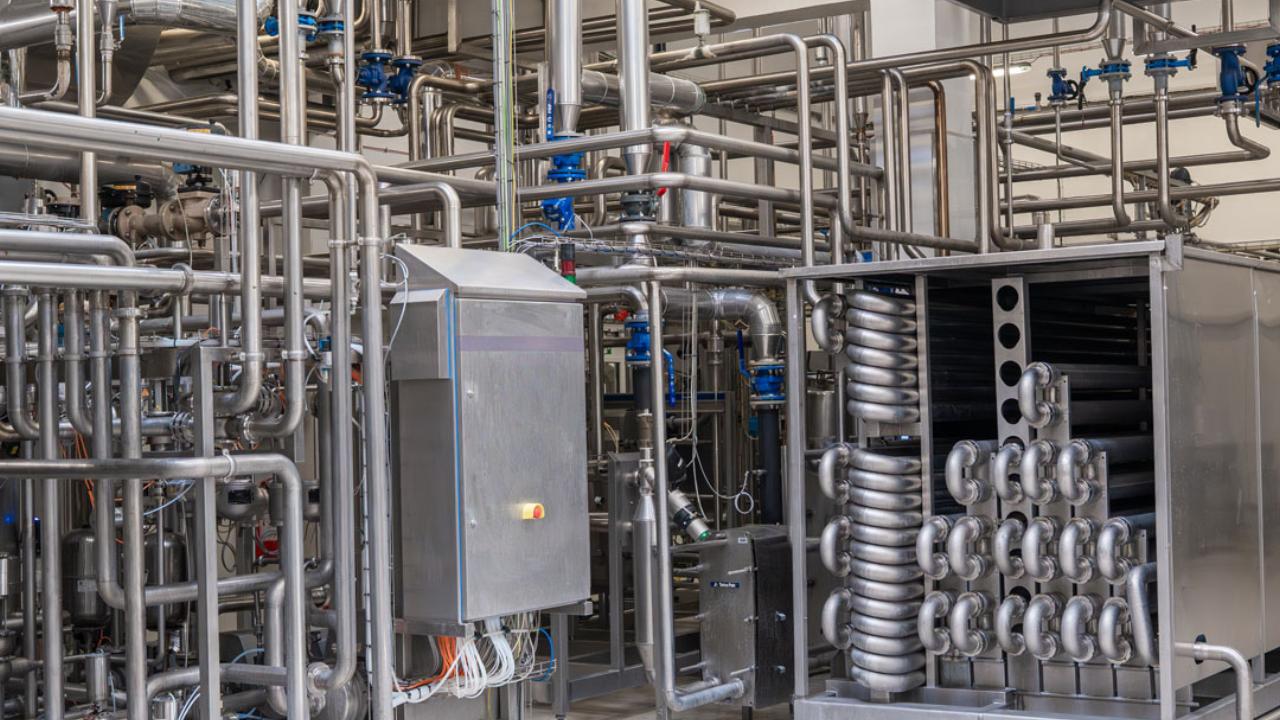
MTP is not just for automating new food processing plants. There are also significant benefits to be gained by adopting this automation standard in existing facilities—provided the transition is carefully planned.
The automation standard known as Module Type Package 2.0 (MTP) is frequently discussed in the context of "greenfield" projects—facilities built from the ground up. However, if you operate an existing processing plant, transitioning to MTP offers substantial advantages when integrating new process equipment.
Moreover, this can be achieved in a manageable way that avoids disrupting your business operations, provided you take a long-term view and thoroughly consider your strategy.
Why consider MTP-based automation for an existing facility?
In a "brownfield" project—where an existing facility is being upgraded or retrofitted—building the automation structure in a modular fashion using MTP 2.0 is often the most sensible long-term choice, especially if you frequently make changes to the processing plant.
The less static your production system is, the more value you will derive from MTP 2.0 compliance:
Easier expansion and modification of processing plants
Very few processing plants remain unchanged or unexpanded for two or three years. In regulated environments like food production, validating such changes is a major undertaking.
With MTP, you can easily increase capacity or add new process equipment without having to develop every interface and line of code from scratch. The standardized structure allows you to copy an already validated file, often requiring you to validate only the interfaces with the rest of the system. This saves time on coding, testing, and validation.
You become less dependent on specific suppliers
With standardized interfaces, the brand name on an individual machine becomes less significant, allowing you the freedom to select MTP 2.0-compliant equipment that aligns with your specific needs and budget.
A common automation structure also makes it easier for different engineers and automation firms to understand and further develop the facility, without compromising quality or consistency across the entire system.
Does adopting MTP require a complete overhaul of your facility?
No—you do not necessarily need to replace well-functioning process equipment or rewrite existing PLC software. MTP 2.0 can be implemented incrementally. For instance, an MTP gateway can connect legacy control systems to an MTP-based framework, ensuring that previous investments remain valuable.
However, once the MTP structure is in place, making future modifications becomes significantly easier and more manageable.
Is MTP, therefore, solely an investment in the future?
Some of the benefits of a standardized MTP structure are realized only when you next need to integrate additional modules, modify existing equipment, or expand your production facility. The more changes that occur over time, the greater the total savings.
Yet, there are advantages to be gained even during the initial implementation phase. A standardized structure facilitates the auto-generation of system code and the reuse of functions. Furthermore, you can perform testing and validation continuously, rather than waiting until the final stages of the project. This can reduce development effort and lower the risk of encountering unexpected integration issues during commissioning. How to prepare for MTP now
If you anticipate making major changes to your process plant within the next few years, you can begin preparing for the transition to MTP today—ensuring that when the time comes, you can implement those changes quickly.
As a first step, you could have experts—like our team, with our specialized knowledge in MTP and automation—assess your facility to determine whether MTP is the right fit for your operations.
Alternatively, stop by the EngineerIT stand (L 9176) at Food Tech 2026 for a no-obligation chat with our automation and MTP specialists about the opportunities and challenges specific to your plant.

This article is written by:
EngineerIT
EngineerIT is an automation engineering company specialising in PLC and HMI programming and technical project management.
We help automate production lines for OEMs and manufacturers in highly regulated industries such as pharma, medtech, biotech, and the food and beverage industry.
We specialize in:
• Automation engineering in regulated industries
• Technical project management
• Programming of PLCs, HMIs, servo systems and industrial robots
• Modernising and retrofitting control systems
• Standardising PLC and HMI software
Meet us at FoodTech





Responsibility for content on this site
Information, images, product descriptions, videos, certifications, sustainability claims, and other content on company profiles are uploaded and maintained by the individual exhibitors.
Exhibitors are solely responsible for ensuring that their content is accurate, properly documented, and legally compliant, including compliance with applicable regulations concerning marketing, sustainability claims, and intellectual property rights.
MCH A/S solely provides the platform and does not, as a general rule, verify the content.